
How Diet Changes Transform Your Vision
Discover the science behind nutritional strategies for clear, healthy eyesight. Our comprehensive editorial guide explores proven dietary approaches that support optimal visual health.
Nutrient Science
Evidence-based exploration of how specific vitamins and minerals directly support retinal health and visual acuity.
Plant-Based Focus
Detailed analysis of antioxidant-rich foods that naturally enhance eye function and protect against environmental stress.
Practical Guidance
Actionable insights for integrating vision-supporting foods into everyday meals with real-world meal planning strategies.
Research-Based
All content grounded in published nutritional science and peer-reviewed studies about eye health and diet.
The information on this site is for educational purposes only and does not constitute medical advice. Always consult a qualified healthcare professional before making health decisions.
Essential Nutrients for Clear Vision
Your eyes require specific micronutrients to maintain optimal function. Lutein and zeaxanthin protect the macula from oxidative damage. Vitamin A supports night vision and photoreceptor health. Anthocyanins and other antioxidants defend against age-related degeneration. Zinc aids in nutrient absorption and tissue health. Omega-3 fatty acids maintain healthy retinal cell membranes.
Dark Leafy Greens
Spinach, kale, and collards are among the highest sources of vision-protecting compounds.
Colorful Fruits
Berries, oranges, and other vibrant produce deliver powerful antioxidant protection.
Fish and Omega-3s
Salmon, sardines, and mackerel support retinal health and cellular function.
Nuts and Seeds
Almonds and sunflower seeds provide vitamin E and essential mineral compounds.
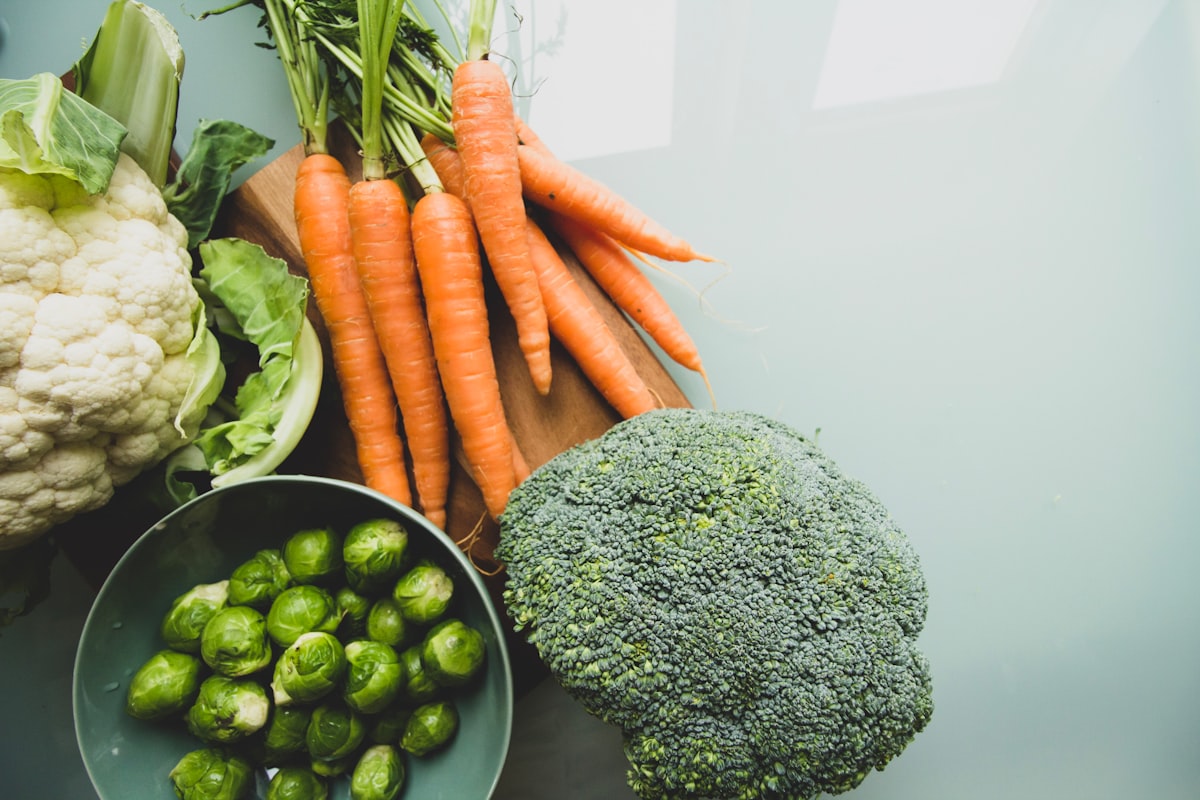
Vision-Boosting Foods by Category
A curated selection of foods that deliver specific nutrients your eyes need for optimal health and clarity.
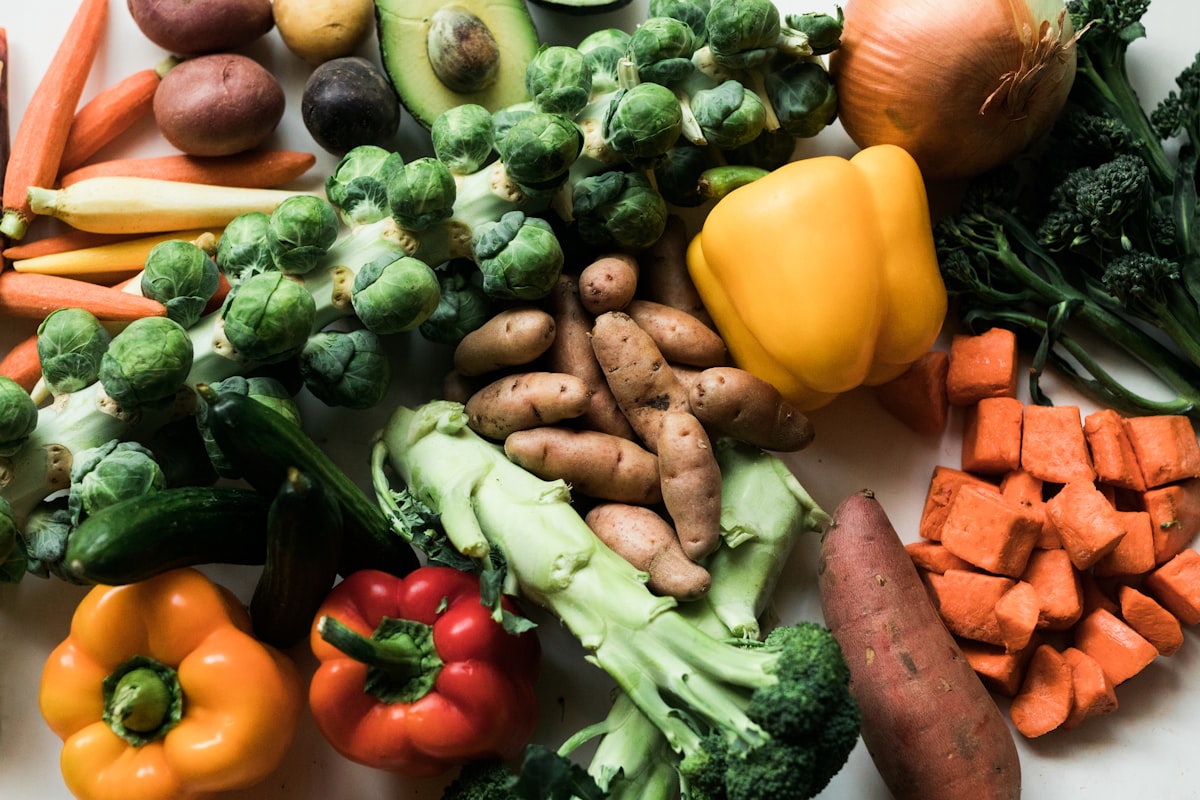
Dark Leafy Greens
Spinach, kale, and collard greens contain the highest concentration of lutein and zeaxanthin. These compounds filter harmful light wavelengths and protect the retina from oxidative stress. Regular consumption supports long-term visual clarity.
- • Lutein content: up to 26 mg per cooked cup
- • Best served with healthy fats for absorption
- • Year-round availability
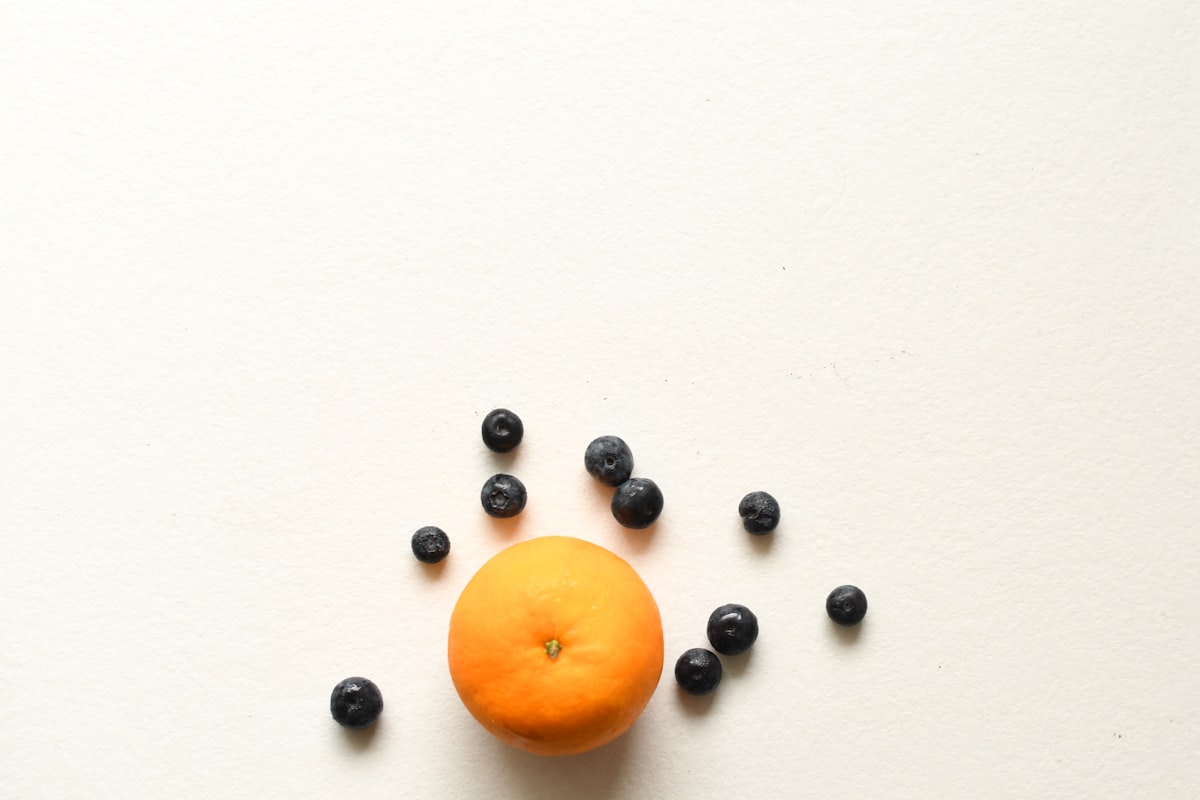
Berries
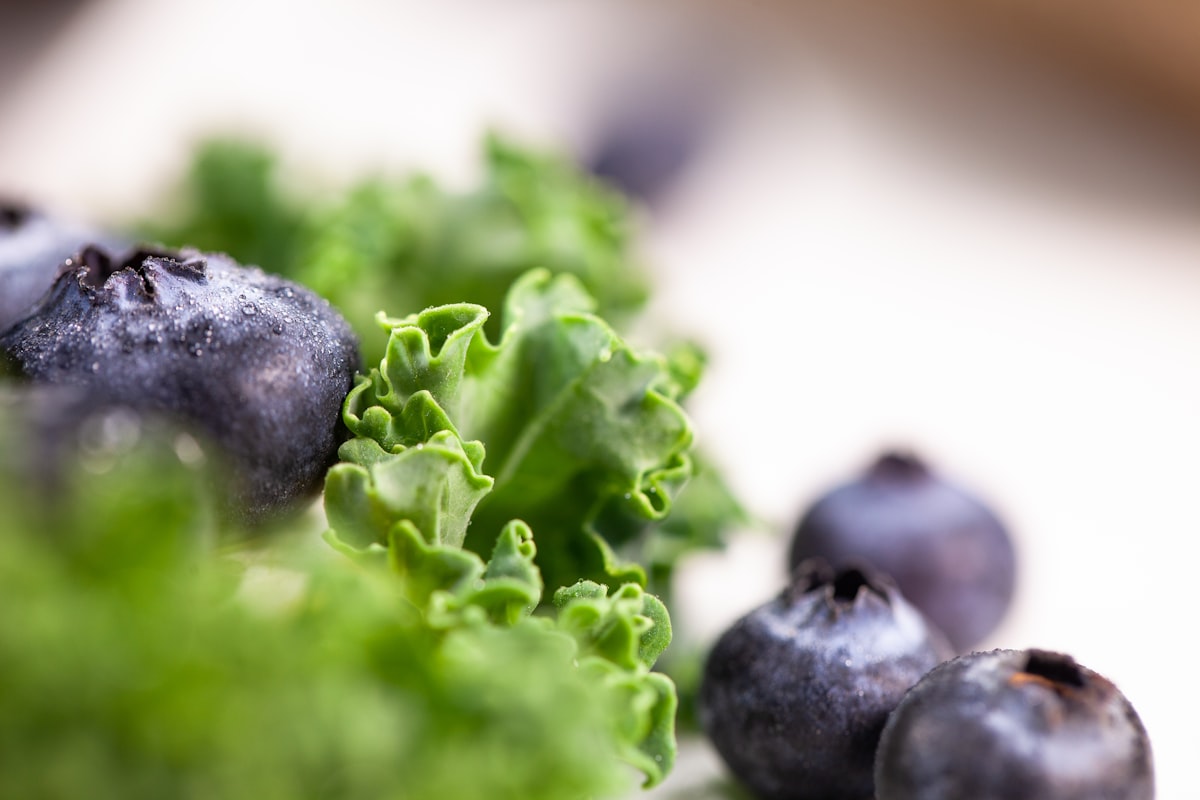
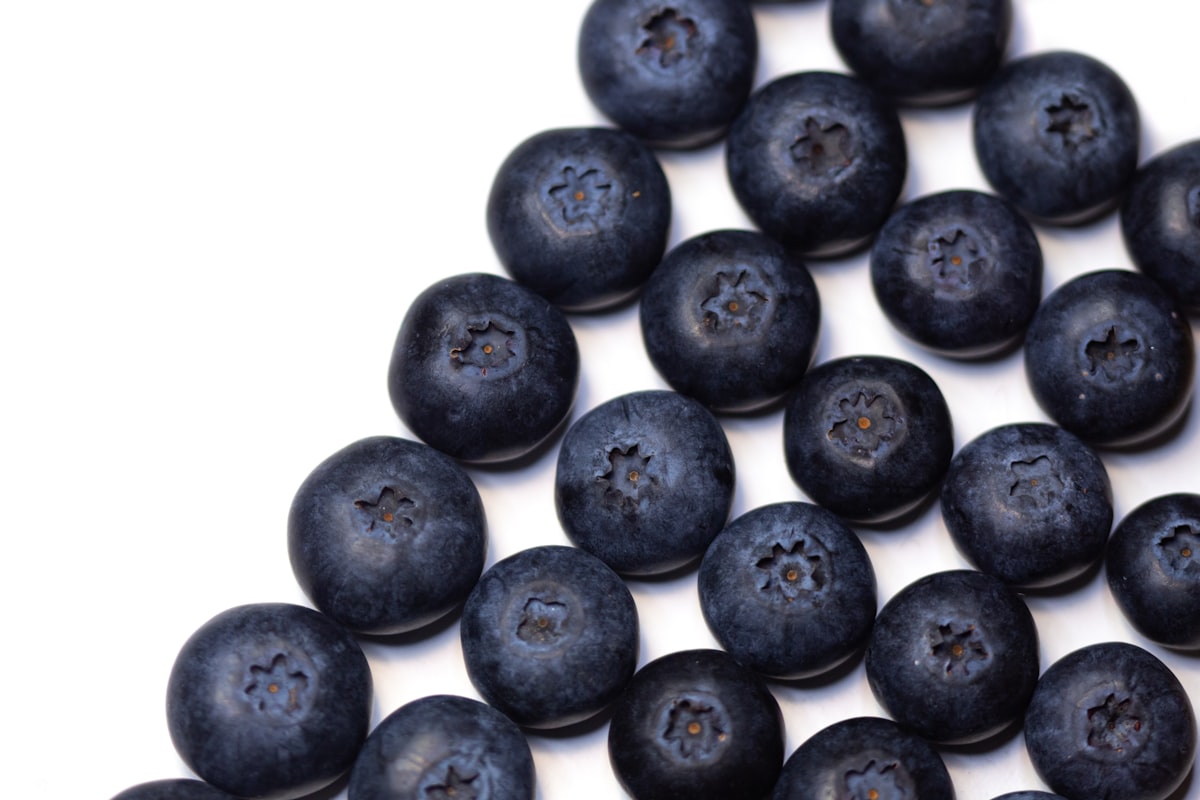
Blueberries, blackberries, and cranberries are rich in anthocyanins, powerful antioxidants that enhance night vision and reduce eye strain. These compounds improve blood circulation to the eyes and support cellular health throughout the visual system.
- • Anthocyanin levels: highest in darker berries
- • Fresh or frozen both retain benefits
- • Perfect for snacks or breakfast additions
Fatty Fish
Salmon, sardines, and mackerel provide omega-3 fatty acids that build retinal cell membranes and reduce inflammation. These essential nutrients support visual development and help maintain healthy eye circulation and function throughout life.
- • Omega-3 content: 1.5-2g per 3oz serving
- • Supports retinal health at cellular level
- • Aim for 2-3 servings per week
Citrus Fruits
Oranges, grapefruits, and lemons contain high levels of vitamin C, a crucial antioxidant that protects eyes from UV damage and supports collagen formation in eye tissues. This vitamin also enhances the absorption of other vision-supporting nutrients.
- • Vitamin C: 85mg per medium orange
- • Protects against UV-related eye stress
- • Works synergistically with other antioxidants
Nuts & Seeds
Almonds, sunflower seeds, and walnuts deliver vitamin E, zinc, and minerals that strengthen eye tissues and improve nutrient transport. These portable snacks make it easy to incorporate vision-supporting nutrition throughout your day.
- • Vitamin E: 25.6mg per ounce of almonds
- • Supports cellular repair and protection
- • Easy to include in meals or snacks
Orange Vegetables
Carrots, sweet potatoes, and pumpkin are packed with beta-carotene, which converts to vitamin A in your body. This essential nutrient maintains the health of the cornea and supports night vision capabilities for clear sight in varying light conditions.
- • Beta-carotene: rich in all orange produce
- • Converts to vitamin A as needed
- • Supports night vision development
Your 4-Week Dietary Transformation Plan
Follow this progressive approach to integrate vision-supporting foods into your daily routine and establish lasting nutritional habits.
Week 1: Foundation Building
Start by adding one vision-supporting food to each meal. Add a handful of spinach to breakfast smoothies, include berries as an afternoon snack, and prepare grilled salmon twice this week. These simple additions establish your nutritional baseline without overwhelming changes. Focus on consistency over perfection as your body adjusts to the increased nutrient intake.
Week 2: Expanding Variety
Build on week one by rotating through the food categories. Introduce dark leafy greens other than spinach—try kale, collards, or arugula. Sample different berries and citrus fruits. Incorporate nuts and seeds as snacks. Create a simple tracking system to ensure you are hitting multiple food groups daily. This variety ensures you receive the full spectrum of vision-supporting nutrients.
Week 3: Habit Integration
Your body is adapting to improved nutrition. Use this week to establish permanent meal patterns that include vision foods. Prep vegetables on Sunday for the week ahead. Create a favorite smoothie recipe with leafy greens and berries. Plan fish meals for specific weeknights. These habits are becoming natural rather than requiring conscious effort, making long-term success more likely.
Week 4: Optimization & Continuation
Assess which foods you enjoy most and which produced the best results for you. Fine-tune your approach based on your preferences and lifestyle. Many people notice improved visual clarity and reduced eye strain by this point. Establish this as your new normal rather than a temporary program. Plan your next month with confidence that these changes are sustainable and beneficial.
Pro Tips for Success
Pair with healthy fats: Lutein and zeaxanthin are fat-soluble. Add olive oil or avocado to leafy greens for better nutrient absorption.
Seasonal shopping: Choose fruits and vegetables in season for peak nutrient content and better affordability.
Minimal processing: Raw or lightly cooked foods retain more nutrients than heavily processed versions.
Stay hydrated: Drink adequate water daily to support overall eye health and nutrient transport.
Common Questions About Diet and Eye Health
Find answers to frequently asked questions about how nutrition impacts vision and the best practices for eye-healthy eating.
Most people begin noticing subtle improvements in eye comfort and visual clarity within 2-4 weeks of consistent dietary changes. Some experience reduced eye strain and better nighttime vision within days. However, comprehensive benefits develop over 8-12 weeks as nutrients accumulate in eye tissues. Consistency matters more than immediate results—your eyes respond to sustained nutritional support rather than occasional healthy meals. Individual factors like current nutrition status, age, and genetics influence the timeline.
There's no one-size-fits-all answer, as nutritional needs vary by age, activity level, and overall health. However, general guidelines suggest consuming a variety of colorful vegetables and fruits daily, including leafy greens, orange/yellow produce, and berries. Aim for at least 2-3 servings of vision-supporting foods per meal, and consult with a healthcare provider for personalized recommendations.
While supplements can help fill nutritional gaps, whole foods offer synergistic combinations of nutrients, fiber, and beneficial compounds that supplements alone cannot replicate. Whole foods provide the complete nutritional matrix your eyes need. Supplements should complement, not replace, a diet rich in vision-supporting foods. Always consult your healthcare provider before starting any supplement regimen.
While no foods are strictly forbidden, limiting highly processed foods, excessive sugar, and trans fats can benefit your eye health. These foods contribute to inflammation and oxidative stress, which may accelerate age-related vision problems. Instead, focus on whole, nutrient-dense options that nourish your eyes and support overall health.
What Our Readers Say
Discover how others have improved their vision and eye health through better nutrition.
"After incorporating more leafy greens and berries into my diet, my eye strain decreased noticeably within weeks. This guide made it so easy to understand which foods actually help."
Sarah M.
Verified Reader
"My optometrist was impressed with my latest eye exam results. I've been following the vision-supporting diet recommendations, and it really works!"
James T.
Verified Reader
"I love how practical and science-backed this guide is. No gimmicks, just real information about foods that genuinely support eye health."
Emma R.
Verified Reader